
Canada’s Labour Market Stalls: What It Means for Manufacturing
Canada’s labour market has hit a plateau, and for manufacturers, it’s less of a gentle cruise and more of an engine idling under pressure.
A recent report highlights that after a year of U.S. tariffs and shifting population trends, Canada’s job market is now best described as “static”—steady on the surface, but with underlying strain.
Manufacturing Hit the Hardest
The manufacturing sector—especially steel, aluminum, and automotive—has taken a direct hit. Over the past 12 months, Canada lost 51,800 manufacturing jobs, the largest decline across all industries.
For companies in fabrication, welding, and metal production, this isn’t just a statistic—it’s a signal; reduced export demand, lower production capacity (around 78.5% utilization) and ongoing uncertainty tied to trade policies
In short, fewer orders often mean fewer workers needed—and that ripple spreads fast.
A “Balanced” Market That Isn’t Growing
While service sectors added jobs (over 85,000), the growth is showing cracks. A recent monthly drop of 84,000 jobs suggests that even previously stable sectors are starting to feel the pressure.
Economists warn that weakness in manufacturing can spill into the broader economy. When industrial workers lose hours or jobs, spending drops—and that affects everything from local suppliers to service businesses.
The Population Puzzle
At the same time, Canada is facing something new: a shrinking population in 2025, combined with retiring workers and fewer people entering the workforce.
This creates a strange contradiction; Businesses need skilled labour but the overall labour pool is shrinking. Resulting in slower hiring, less flexibility, and tighter production capacity
What This Means for Manufacturers
For metal fabrication shops, welding operations, and industrial production companies, this “static” labour market creates real challenges in that you may not need full-time hires—but you still need output. Skilled people are harder to find and production demands can fluctuate with market uncertainty
This is where flexibility becomes a competitive advantage.
How Plan B Metalworks Fits In
At Plan B Metalworks, we’re built for exactly this kind of environment.
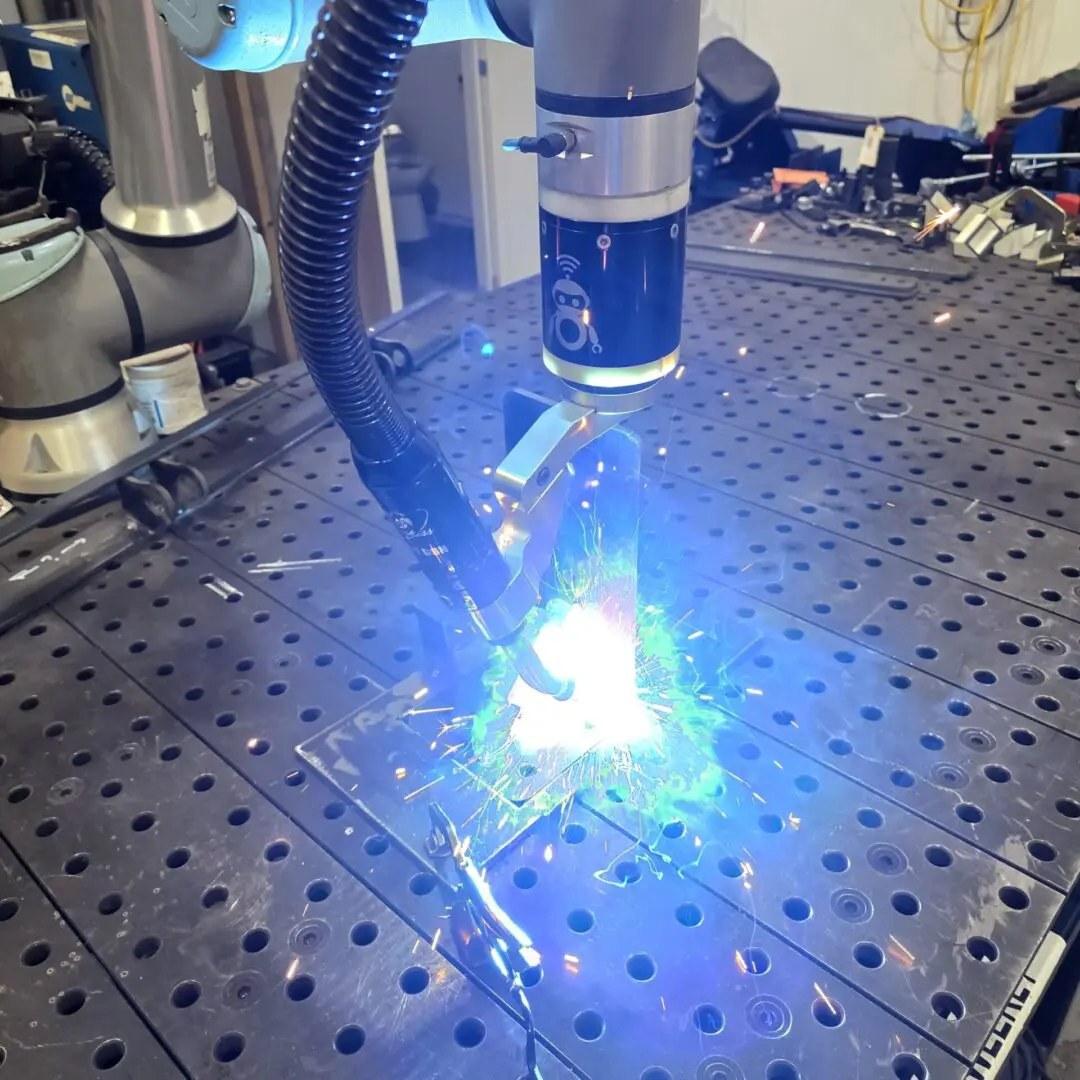
Our robotic welding services and metal fabrication capabilities help manufacturers:
- Fill short-term or long-term labour gaps
- Maintain production without hiring full-time staff
- Get consistent, repeatable weld quality
- Scale up or down as demand shifts
Instead of letting labour shortages stall production, you can keep things moving—smoothly, predictably, and without capital investment in new equipment.
The Bottom Line
Canada’s labour market may be “static,” but your production doesn’t have to be.
With ongoing tariff pressures, workforce changes, and economic uncertainty, manufacturers who stay flexible will be the ones who stay competitive.