
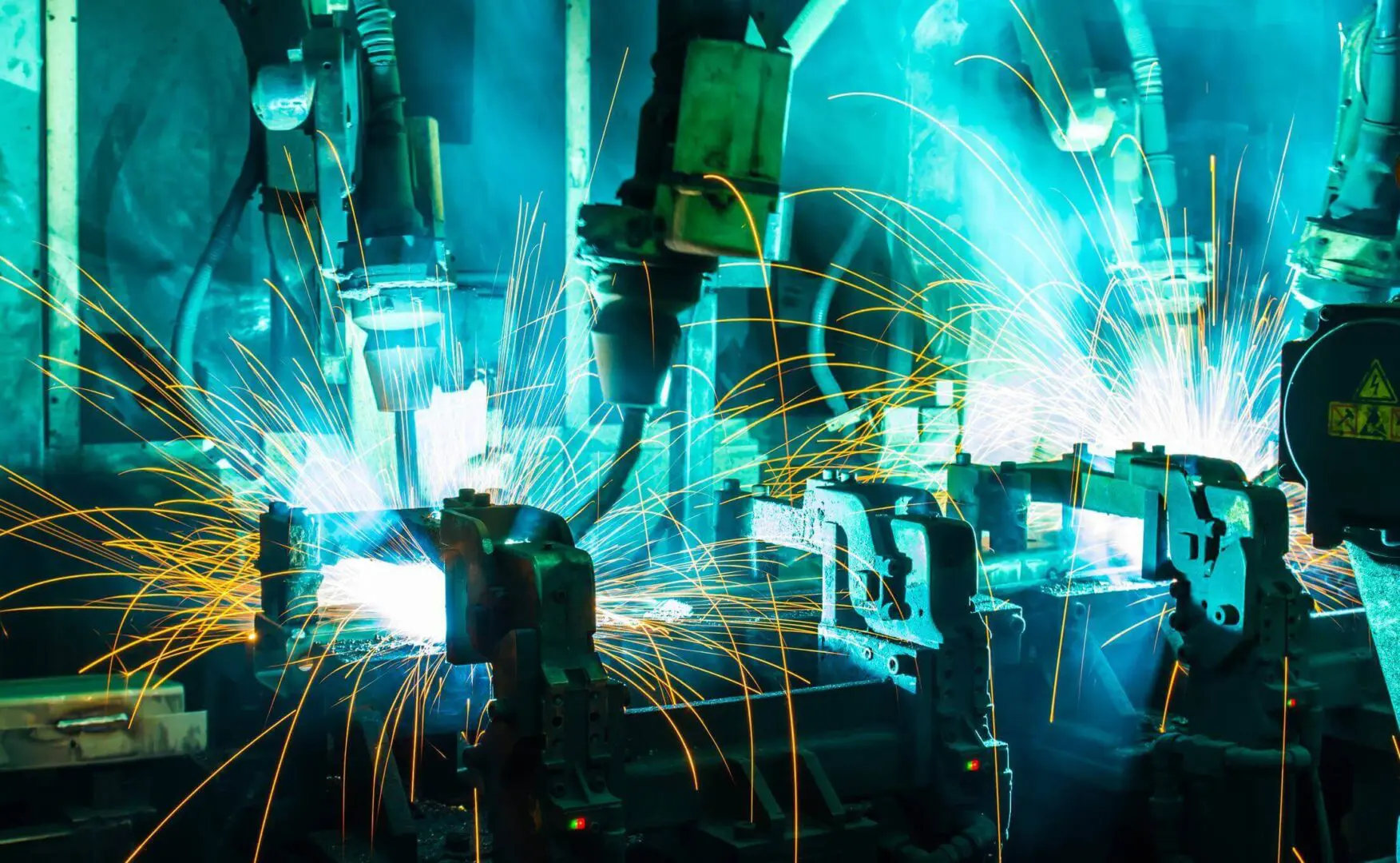
Starting a Robotic Welding Business in 2025: Costs, Opportunities, and Competitive Advantages
Manufacturing is evolving fast, and robotic welding is leading the charge. With labor shortages, rising production demands, and tighter quality standards, more companies are turning to automation. Starting a robotic welding business in 2025 is not just a forward-thinking move, it is a strategic opportunity to serve industries that need precision, consistency, and scalable production.
Whether you plan to offer contract welding services or build automated production solutions, understanding the business landscape is key to launching successfully.
Why Robotic Welding Is Booming in 2025
Several market forces are driving demand for robotic welding services:
- Skilled labor shortages across North America
- Higher quality expectations from manufacturers
- Shorter production timelines
- Increased reshoring of manufacturing
- Cost pressure on high-volume fabrication
Robotic welding solves all of these challenges at once. Robots can operate continuously, produce repeatable welds, and reduce scrap and rework. For customers, outsourcing to a robotic welding provider eliminates large capital investments.
Startup Costs and Equipment Requirements
Launching a robotic welding business requires planning and capital, but it does not always mean building a massive facility.
Core startup components:
- Industrial welding robot and controller
- Positioners or fixtures
- Safety guarding and ventilation
- Welding power supply
- Programming software
- Quality inspection tools
Typical startup investment range (2025):
$200,000 to $350,000 depending on system size, automation level, and whether equipment is new or refurbished.
Many successful startups begin with one robotic cell and expand as contracts grow.
Choosing a Profitable Niche
The most successful robotic welding businesses focus on a defined market instead of trying to serve everyone.
High-demand niches:
- Structural brackets and supports
- Agricultural equipment parts
- Construction components
- Medium-volume production runs
- Overflow production for manufacturers
Specializing allows you to refine tooling, programming, and processes for faster turnaround and higher margins.
Key Advantages Over Traditional Welding Shops
A robotic welding operation offers benefits that manual shops often cannot match:
| Advantage | Business Impact |
| Consistency | Repeatable weld quality reduces rejects |
| Speed | Faster cycle times increase throughput |
| Scalability | Easy to add shifts without hiring |
| Cost Efficiency | Lower cost per part over time |
| Reliability | Predictable delivery schedules |
These advantages make robotic welding businesses especially attractive to manufacturers dealing with tight deadlines or fluctuating demand.
Challenges to Prepare For
Every opportunity comes with hurdles. Being prepared helps avoid costly delays.
Common startup challenges:
- Learning robot programming and optimization
- Designing fixtures for different parts
- Winning first contracts
- Balancing utilization rates
- Managing upfront capital costs
The learning curve is real, but once processes are dialed in, production becomes highly efficient.
How to Get Your First Customers
Early growth depends on visibility and credibility.
Proven strategies:
- Partner with fabrication shops that need overflow capacity
- Network with manufacturers experiencing labor shortages
- Showcase sample parts and weld quality
- Offer pilot runs or short production trials
- Optimize your website for search terms; robotic welding services, automated welding contractor, and robot welding near me
Digital presence matters. Many manufacturers search online first when sourcing suppliers.
Is Starting a Robotic Welding Business Worth It?
For entrepreneurs with fabrication experience, the answer is often yes. Automation is not replacing welding businesses; it is reshaping them. Companies that adopt robotics early position themselves as production partners rather than just suppliers.
Demand for contract robotic welding is expected to continue growing as manufacturers seek flexible, cost-effective production solutions without purchasing their own automation systems.
Final Thoughts
Starting a robotic welding business in 2025 combines manufacturing expertise with advanced technology. The barrier to entry is lower than many assume, and the demand for automated welding services continues to rise.
Businesses that focus on quality, specialization, and customer reliability can build strong long-term partnerships and scale quickly. With the right planning, equipment, and strategy, robotic welding can transform from a single automated cell into a thriving fabrication operation.