
Advancements in Industrial Welding – Key Trends and Insights
Introduction
Industrial welding plays a critical role in numerous industries, including manufacturing, construction, and energy. Over the years, it has evolved significantly with the integration of advanced technologies like robotic welding and CNC systems. These innovations have led to increased precision, faster production, and more cost-effective solutions, benefiting companies across a wide range of sectors. Let’s explore some of the key trends reshaping the industrial welding landscape today.
The Rise of Robotic Welding
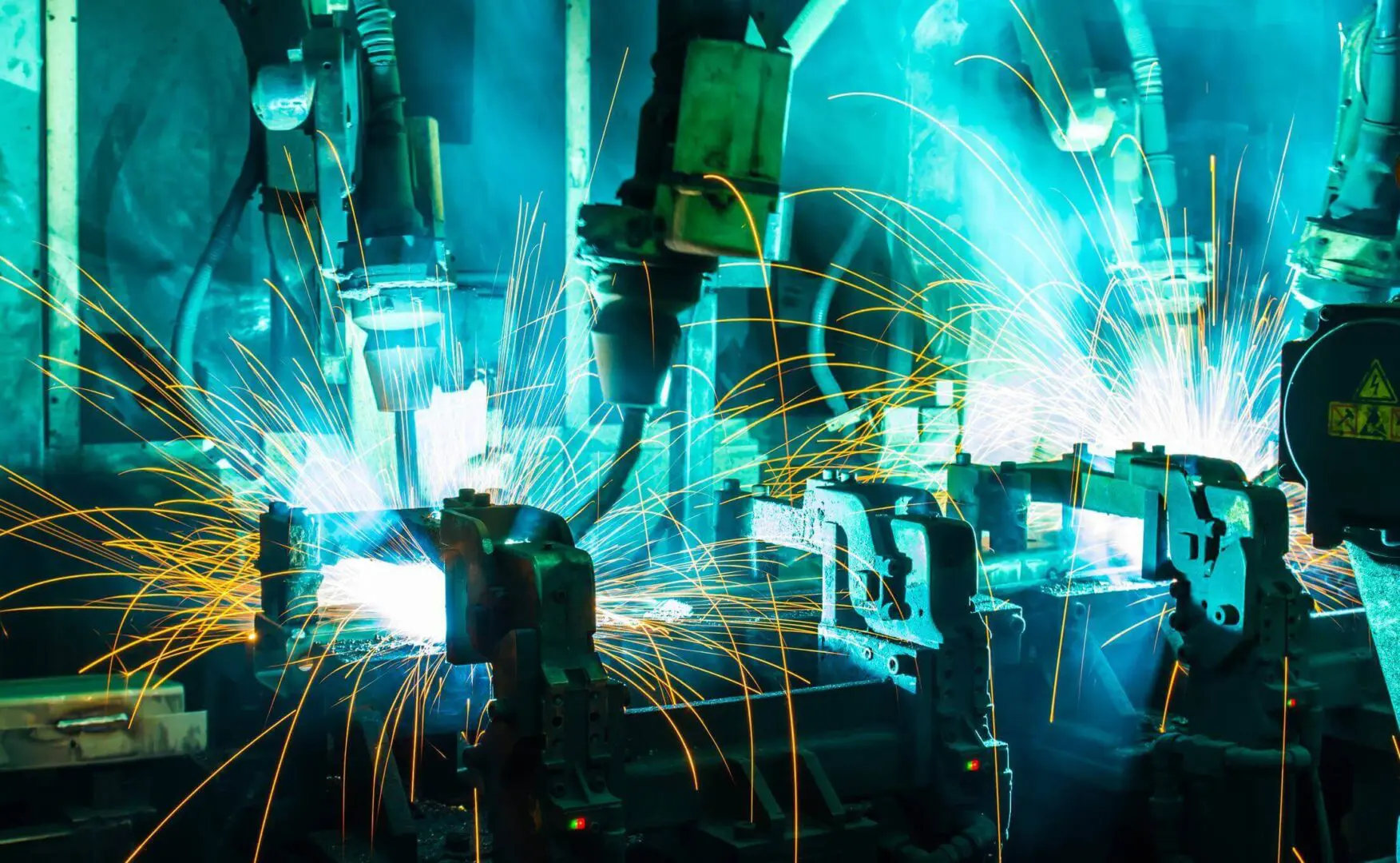
Robotic welding has revolutionized the welding industry, offering improved speed, precision, and consistency. Automated systems equipped with artificial intelligence and cutting-edge technology are now handling repetitive welding tasks with remarkable efficiency.
- Precision & Consistency: Robots provide precise, repeatable results without the variability introduced by human error, making them ideal for high-volume production.
- Cost-Efficiency: By reducing labour costs and minimizing errors, robotic welding can lower production costs and increase profitability.
- High-Volume Production: Robotic welding excels in industries where consistent and quick output is crucial, such as automotive, aerospace, and mass manufacturing.
CNC Welding for Enhanced Accuracy
Computer Numerical Control (CNC) welding machines have brought a new level of accuracy and efficiency to industrial welding. These machines are controlled by precise software, allowing for extremely accurate and repeatable welding results. CNC welding is particularly useful for complex parts that require a high degree of precision.
- Precision: CNC systems ensure that every weld is executed exactly as programmed, reducing the potential for human error.
- Versatility: Ideal for both small-scale, intricate projects and large-scale industrial applications.
- Repeatability: CNC welding machines can reproduce the same weld multiple times without deviation, ensuring uniformity across production runs.
Custom Metal Fabrication for Tailored Solutions
Custom metal fabrication allows businesses to design and create metal parts and structures that meet their unique specifications. Whether it’s a one-off part or a small batch of custom components, fabrication services ensure that designs are executed to exact specifications.
- Tailored to Your Needs: Custom fabrication allows businesses to create metal structures and parts suited to their specific needs.
- Quality & Durability: Fabrication ensures that the final product is not only functional but also durable, meeting all industry standards.
- Flexibility: Whether it’s cutting, bending, or welding, custom fabrication can meet any design challenge, making it ideal for industries requiring specialized parts.
Industrial Welding for Heavy-Duty Applications
While automated technologies like robotic welding and CNC systems have improved many aspects of industrial welding, traditional industrial welding techniques continue to be essential for heavy-duty applications. In sectors such as oil and gas, mining, and infrastructure construction, the need for robust, reliable welding remains a top priority.
- Structural Integrity: Industrial welding ensures that large metal components, such as pipes and beams, are securely joined to withstand the stresses of heavy-duty environments.
- High-Quality Craftsmanship: Skilled welders are required to ensure that welds meet safety and quality standards, especially in extreme conditions.
- Durability: Industrial welding is designed to provide long-lasting, high-performance results in challenging environments.
Sustainability in Welding: A Greener Future
As environmental concerns grow, industries are turning toward more sustainable welding practices. Companies are increasingly adopting energy-efficient systems and eco-friendly materials to reduce their carbon footprint.
- Energy-Efficient Solutions: Robotic welding and modern CNC machines use less energy, making them more environmentally friendly than traditional welding methods.
- Recycling and Waste Reduction: Metal scrap recycling and minimizing material waste are becoming integral parts of welding processes.
- Eco-Friendly Materials: The use of low-carbon steels and environmentally conscious welding gases is growing, further reducing the environmental impact.
The Future of Industrial Welding
Looking ahead, the industrial welding industry is poised for further growth and innovation. From continued advancements in automation and artificial intelligence to new materials and welding techniques, businesses must adapt to stay competitive.
- AI Integration: Artificial intelligence will continue to enhance robotic welding capabilities, enabling systems to learn and adapt to complex tasks in real time.
- Smarter Automation: As automation becomes more advanced, welding systems will become more flexible, and capable of performing a wider range of tasks without the need for manual intervention.
- New Materials: The industry will likely see the introduction of advanced materials designed for better performance and sustainability, opening up new opportunities for manufacturers.
Advanced Industrial Welding Solutions
Industrial welding is transforming, with new technologies enhancing precision, efficiency, and sustainability. Robotic welding, CNC systems, custom metal fabrication, and industrial welding continue to play crucial roles in various industries, offering businesses innovative solutions to meet their production needs.
Power Your Business Forward
Plan B is here to help you navigate these innovations and offer the best industrial welding solutions tailored to your needs. If you’re ready to explore our advanced welding services, contact us today to learn how we can help your business succeed.